Termite Control Services for Property Managers: A Practical Guide

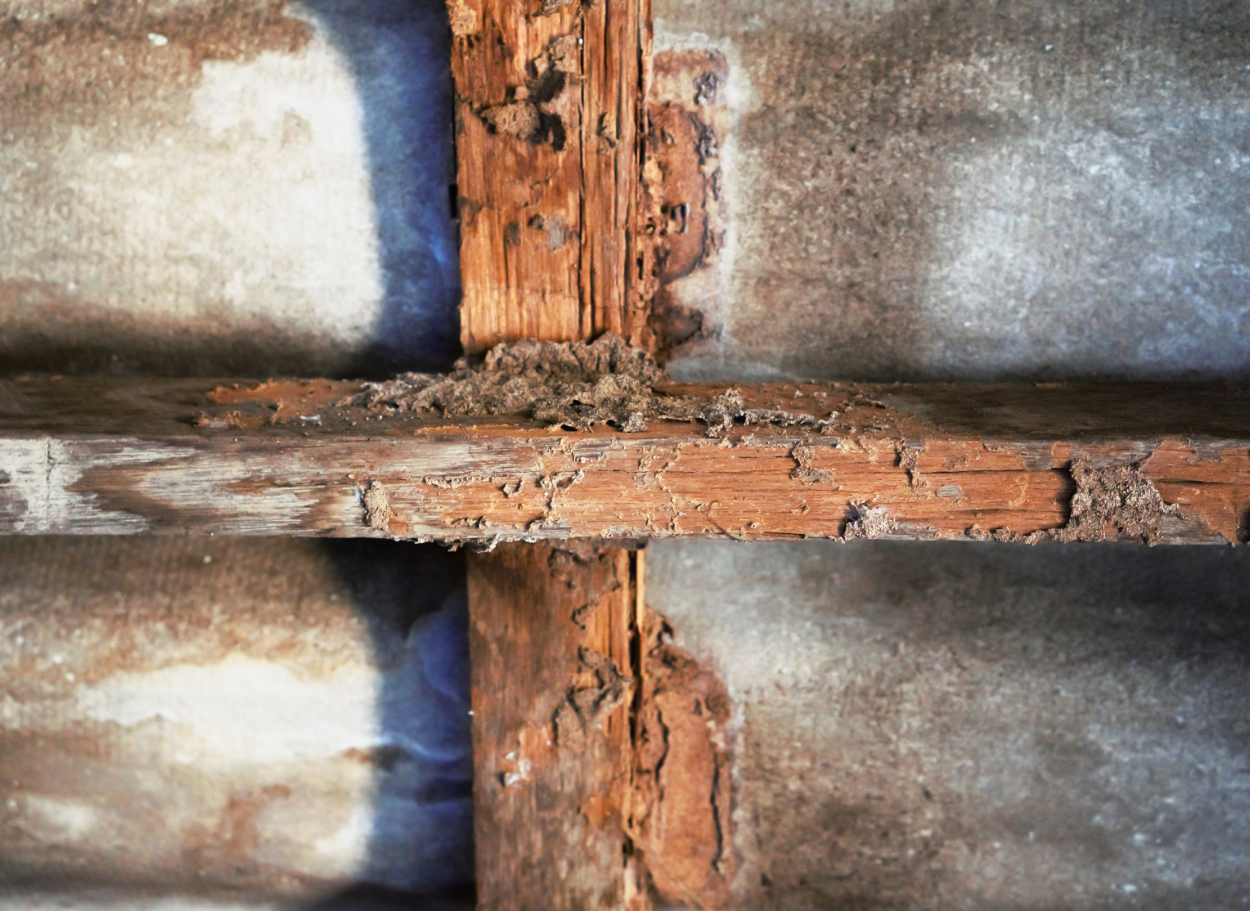
Property managers rarely get credit for the disasters they prevent. A building stays leased, tenants renew, owners sleep well, and nobody notices the risk that never turned into a claim. Termites fall squarely into that category. When they go undetected, they can quietly turn trim, subflooring, framing, and budget forecasts into a mess. When they are handled properly, the work is almost invisible, which is exactly the point.
For property managers, termite control is not just a maintenance issue. It sits at the intersection of asset protection, tenant communication, vendor oversight, insurance expectations, and long-range capital planning. A single untreated colony in the wrong place can create repair costs that far exceed the cost of routine monitoring. It can also trigger vacancies, disrupt renovations, and strain owner relationships when the obvious question comes up: how long has this been going on?
The practical challenge is that termites do not behave like an ordinary service request. A dripping valve gives you a stain. A failed condenser gives you a hot apartment. Termite activity can remain hidden behind drywall, under slab edges, inside expansion joints, or in crawlspaces nobody has looked at in six months. Good property management, in this area, depends less on reacting quickly and more on building a system that catches risk early.
Why termite risk looks different in managed properties
A homeowner may know every soft spot in a baseboard because they pass it every day. A property manager usually oversees multiple units, multiple technicians, and multiple competing priorities. That creates blind spots. One maintenance supervisor notices a mud tube in a storage room, removes it, and means to call a vendor. A leasing agent sees a pile of discarded wings on a windowsill after a swarm, assumes it was flying ants, and tosses them out. A turn crew paints over blistering trim without realizing the wood has been hollowed behind the surface. None of those people are careless. They are busy, and termites are easy to miss unless everyone knows what to look for.
Multifamily and commercial properties also create special access problems. In a single-family house, treatment planning might involve one foundation perimeter and one owner approval. In an apartment community, the affected area may extend beneath several connected units, common walls, breezeways, and utility penetrations. In office or retail buildings, after-hours access, tenant improvements, and sensitive inventory can complicate even a basic inspection.
Then there is the reporting chain. Owners want costs controlled. Residents want minimal disruption. Vendors want access. Managers need documentation they can stand behind. Effective termite control services have to work within that operational reality, not apart from it.
What property managers are actually buying
A lot of frustration starts with a misunderstanding of scope. Termite work is not one thing. It can include inspection, monitoring, preventive treatment, active infestation treatment, damage assessment, and follow-up verification. Some vendors bundle these elements. Others separate them. The cheapest proposal often looks attractive because it leaves out the slower, less visible work, namely detailed inspection, mapping of activity, documentation, and scheduled rechecks.
In practical terms, property managers are buying risk reduction. Sometimes that means a liquid treatment around a structure. Sometimes it means a baiting system with regular monitoring. Sometimes it means localized treatment during a renovation where wall cavities are already open. And often it means a combination, especially in older buildings with additions, drainage issues, landscaping against the foundation, or a history of previous termite pressure.
One of the most common mistakes is treating termite service as a one-time event. That mindset works poorly in regions where subterranean termites are active year after year. Even a solid treatment does not eliminate the need for future inspection. Soil can be disturbed. Hardscape can change. Utility work can create gaps. Irrigation leaks can alter moisture conditions and make an area more attractive again. A contract that looked complete on day one may not cover what happens after those conditions shift.
The termites you are likely dealing with, and why it matters
For most property managers in the United States, subterranean termites drive the conversation. They travel from the soil, seek moisture, and build mud tubes to stay protected while moving between the ground and wood. Their damage can progress for a long time before anyone sees obvious evidence. Drywood termites matter in certain markets, especially warmer coastal areas, but in many managed properties, subterranean species create the more persistent structural risk.
This distinction matters because treatment strategy changes with the pest. Soil-applied termiticides and baiting systems are central tools for subterranean termites. Drywood issues may call for localized treatment, wood injection, or, in some cases, broader structural approaches depending on the extent and location of activity. A manager does not need to become an entomologist, but they do need a vendor who explains which termite type has been identified and why that leads to a specific recommendation.
If the explanation stays vague, press for detail. “Active termites found” is not enough to guide owner approval or future budgeting. You need to know where, how much evidence was observed, what likely conditions contributed, whether the issue appears isolated or systemic, and how success will be verified after treatment.
Inspections that actually protect the asset
A useful termite inspection is not a fast walk around the exterior with a flashlight. It is a methodical review of conducive conditions and visible evidence, combined with a realistic statement about inaccessible areas. Good inspection reports do two things at once. They tell you what the inspector found, and they tell you what the inspector could not see.
That second point matters more than many managers realize. If a report says “no visible activity observed” but half the crawlspace was blocked by stored materials, portions of the slab edge were concealed by dense landscaping, and multiple utility rooms were locked, the report is limited. It may still be useful, but it is not proof that the structure is clear. Strong vendors make those limitations explicit. Weak vendors blur them.
I have seen the difference in older garden-style communities where termite problems often show up first in exterior storage rooms, first-floor utility closets, and units with chronic moisture around tub traps or HVAC lines. A shallow inspection might catch the obvious tube on the wall. A better inspection asks why that tube was there, whether grading or irrigation is pushing moisture toward the slab, whether mulch is too high at siding lines, whether there are wood-to-soil contact points, and whether neighboring units should be checked before turnover exposes more damage.
Annual inspections are a reasonable baseline for many properties. High-risk sites may warrant more frequent monitoring, especially if there is a history of infestation, repeated moisture intrusion, or a heavy concentration of wood elements near grade. Newly acquired properties deserve particular attention. Due diligence often focuses on roofs, pavement, HVAC, and rent rolls. Termites can receive less scrutiny than they should, even though hidden damage can materially change repair planning in the first year of ownership.
Choosing between treatment options
Property managers often want a simple answer: bait system or liquid treatment? The honest answer is that it depends on the structure, the termite pressure, the budget, and the degree of certainty the owner wants.
Liquid treatments are often valued for their immediate protective role when applied correctly around the structure. They can be highly effective, but they require careful attention to coverage. Slabs, patios, stoops, attached garages, utility penetrations, and inaccessible sections can complicate application. A proposal that sounds complete may still involve practical gaps if the building design limits access.
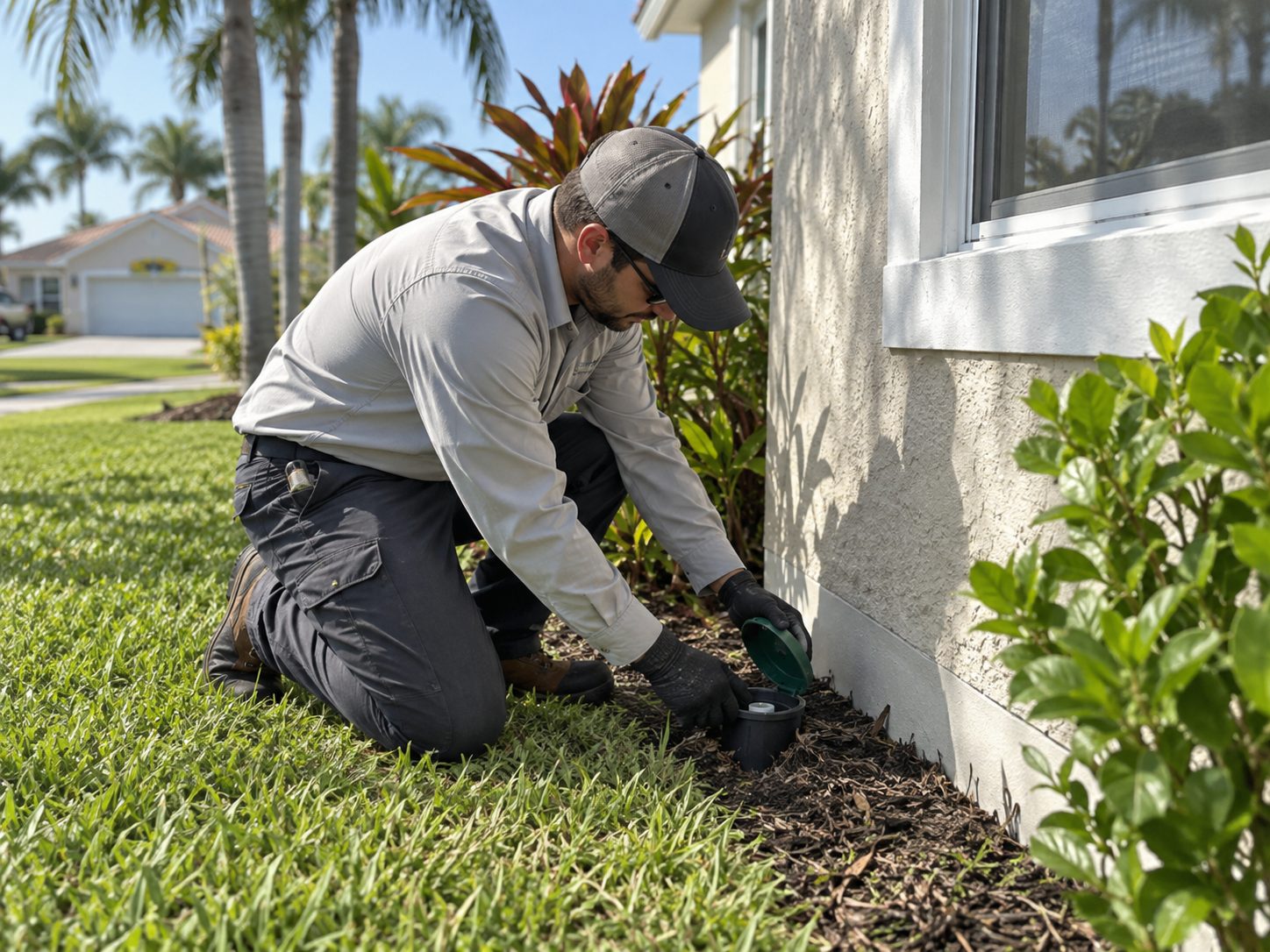
Baiting systems can be a strong fit where continuous monitoring is desirable or where liquid treatment is less practical. They also make sense for managers who value an ongoing service relationship with documented station checks. The trade-off is that baiting is not a set-it-and-forget-it solution. It depends on consistent follow-up, proper station placement, and good recordkeeping.
Localized treatments have their place too. If a renovation opens an isolated wall and active termites are discovered in a confined area, targeted work may be sensible as part of a broader strategy. What they should not become is an excuse to avoid addressing a larger building-level issue when the evidence suggests wider exposure.
A solid vendor will talk openly about trade-offs. They will explain where a method is strong, where it is limited, and what assumptions sit behind the recommendation. If every property, every year, receives the exact same proposal, you are probably looking at a sales script rather than a diagnosis.
What a property manager should ask before approving work
You do not need to interrogate a pest professional, but you do need enough information to defend the decision to an owner and manage the work on site. Before approving termite control services, make sure these questions are answered clearly:
- Where was activity found, and how was it confirmed?
- What treatment method is being recommended, and why is it a fit for this building?
- What areas are inaccessible or excluded from the proposal?
- What preparation, resident access, or drilling will be required?
- How will follow-up inspections and documentation be handled?
Those five questions tend to separate thoughtful vendors from generic proposals very quickly. They also reduce misunderstandings later. If drilling through slab areas will be needed, residents should not learn that from the technician at the door. If cabinetry, stored items, or utility closet access are required, that should be built into scheduling. If the warranty has conditions tied to ongoing monitoring, someone on the management side needs to own that calendar.
Resident communication can make or break the job
Termite work in occupied properties succeeds or fails partly on logistics. Residents are more cooperative when they know what is happening, why it matters, and what they need to do. They are less Termite Control Services cooperative when they receive vague notices, lose work time waiting for access, or discover drilling dust after the fact.
A good notice is plain and specific. It explains the service date, access window, whether someone must be home, whether pets need to be secured, and whether technicians will work indoors, outdoors, or both. It also explains the purpose without creating panic. “Preventive termite treatment and inspection” lands differently than “urgent infestation response,” and accuracy matters.
For active infestations, communication needs more care. Residents may worry about safety, structural integrity, or blame. Keep the message factual. Explain that termite activity has been identified, treatment is scheduled, and additional inspection may be needed in adjacent areas to confirm the extent. If repairs are likely, say so once you know enough to say it with confidence. Overpromising is a problem here. So is minimizing. A resident can live with a measured, professional update. They lose trust when the story changes three times.
In multifamily settings, access coordination deserves real attention. If you have ever had three no-shows on a treatment day and then paid for a return trip, you know the cost of casual scheduling. Confirm access twice. Once when the notice goes out, and again shortly before service. It is not glamorous work, but it saves money and keeps treatment plans intact.
Documentation is where good management shows up
Termite files should be easy to retrieve and easy to explain. That means inspection reports, service proposals, diagrams or site maps if available, proof of completed treatment, warranty terms, and notes on resident communications and access issues. If the property changes management hands, these records should still tell a coherent story.
This is especially important when ownership asks why a recommendation was made. A clean file lets you show the progression. Inspection found evidence in specific locations. Vendor documented conducive conditions. Proposal outlined options and exclusions. Service was approved. Follow-up confirmed no visible new activity, or identified additional repair needs. Without that trail, every termite event feels like a surprise, even when it was managed responsibly.
For managers with large portfolios, trend tracking is worth the effort. If the same property keeps showing termite activity near one elevation, one building type, or one irrigation zone, that pattern can guide broader preventive action. Maybe the real issue is poor drainage at the rear slab line. Maybe mulch depths have crept too high across the site. Maybe a recurring leak in a mechanical room is feeding the problem. Termite service records often reveal maintenance priorities that would otherwise stay fragmented.
Repairs, hidden damage, and the budgeting problem
One of the harder conversations with owners begins after the termites are treated. Elimination or control of the colony does not erase the damage already done. Sometimes the repair is minor, a section of trim, a damaged door frame, a small amount of sheathing. Other times, especially where activity has gone unnoticed for a long period, the cost moves into framing, subfloor, fascia, or structural carpentry.
The challenge is that the full extent of damage is often not visible until finishes are opened. Managers should set that expectation early. It is better to present a treatment estimate with a candid note that repairs may increase after exploratory opening than to present a neat all-in number that unravels later.
In older properties, I have seen termite-related repairs reveal a chain of overlapping problems: long-term moisture intrusion, previous patch repairs, insulation deterioration, and concealed rot that had been attributed to “age” without real investigation. Once walls or exterior assemblies are open, separate the termite-related scope from broader deferred maintenance. Owners need both numbers, but they should not be blurred together.
Budgeting for termite work also improves when managers think in layers. There is the annual inspection or monitoring cost. There is the episodic treatment cost if activity is found. Then there is the potential repair reserve for damage discovered afterward. Lumping all three into one generic pest line item makes planning harder and encourages underestimation.
Common failures that create repeat issues
Most repeat termite headaches are not caused by one bad spray or one missed station. They come from conditions around the building that keep inviting termites back or make detection difficult. In managed properties, the usual culprits are not mysterious. They are often ordinary maintenance issues that fell between departments.
The patterns show up again and again:
- irrigation overspray or leaks keeping soil wet near the foundation
- wood-to-soil contact at siding, lattice, steps, or stored materials
- dense vegetation or heavy mulch concealing slab edges and mud tubes
- poor drainage that holds moisture after rain
- inaccessible areas, especially cluttered storage rooms and crawlspaces
None of these conditions guarantees an infestation. All of them make termite risk harder to manage. This is where coordination matters. Grounds crews, maintenance technicians, renovation contractors, and pest vendors should not be working in separate bubbles. When they do, the property pays for the same lesson more than once.
Working with owners who only see the invoice
Termite Control ServicesSome owners immediately understand termite risk. Others see pest control as a commodity and assume one proposal is interchangeable with another. The property manager’s job is not to dramatize the issue, but to make the risk concrete.
That means translating technical findings into business terms. If activity is limited to one unit but the construction type is continuous across six connected units, say that. If delay could push the issue from treatment-only into treatment-plus-carpentry during peak leasing season, say that too. If a preventive treatment now is likely to cost far less than opening walls and replacing damaged framing later, frame it that way, with ranges if exact numbers are not yet known.
Owners also respond to operational clarity. They want to know whether residents must be relocated, whether drilling or trenching affects curb appeal, how warranties work, and what follow-up obligations exist. A manager who can answer those questions calmly usually gets faster approvals than one who forwards a vendor estimate with no context.
When to escalate beyond routine service
Most termite findings can be handled through ordinary vendor coordination. Some cases deserve a more deliberate response. Widespread activity across multiple units, damage in load-bearing elements, repeated findings after prior treatment, or a dispute about treatment adequacy should slow the process down long enough to verify the plan. That may mean a second opinion, additional opening for inspection, or coordination with a structural professional when significant damage is suspected.
This is not about distrust of vendors. It is about matching the response to the stakes. If you manage enough buildings long enough, you will eventually see a case where the first report understated the extent, or where a “localized issue” turned out to be part of a broader pattern. Experience teaches caution without paralysis.
It also teaches that speed still matters. Waiting three months to compare proposals while termites continue feeding is not careful management. It is drift. The right approach is to gather the information you need quickly, approve a defensible scope, and document each step.
Building a preventive system that lasts
The best termite programs do not rely on memory or luck. They are built into operations. Inspection dates are scheduled before they are due. Service records live in one place. Maintenance teams know the visible warning signs. Landscaping standards keep slab edges observable. Renovation crews know to report suspicious wood damage rather than cover it up and move on.
That kind of system does not require a massive budget. It requires consistency. A property with disciplined inspections, good moisture control, and clear vendor oversight often spends less over time than a property that reacts only when a resident points out a problem.
Termite control rarely feels urgent until it becomes expensive. By then, the work is harder, the conversations are tougher, and the repair scope is usually larger than anyone hoped. Property managers who treat termite control services as part of asset management, rather than just another line-item vendor call, put themselves in a much stronger position. They protect the building, reduce unpleasant surprises, and give owners something they value more than they may admit, predictability.
Maximum Pest Control
836 NE 7th Terrace Suite #5
Cape Coral, FL 33909
+1 239-772-7363
FAQ About Termite Control Services
What are two signs of a termite infestation?
Mud tubes along a foundation and piles of shed wings near doors or windows are two signs to investigate. Mud tubes are associated with subterranean termites. A licensed inspector can identify the insect and assess whether there is active infestation.
How many years does a termite treatment last?
There is no single timeline for all treatments. The method, site conditions, and maintenance affect how long protection lasts. Bait systems rely on monitoring and service. Ask the provider for the recommended inspection schedule and the terms of any coverage.
Is Termite Treatment Expensive in Cape Coral?
Cost depends on the termite species, the size and construction of the property, the extent of activity, and the treatment method. Request a written estimate after inspection and ask whether monitoring, follow-up visits, and renewals are included.