Termite Control Services for Apartments, Condos, and Rentals
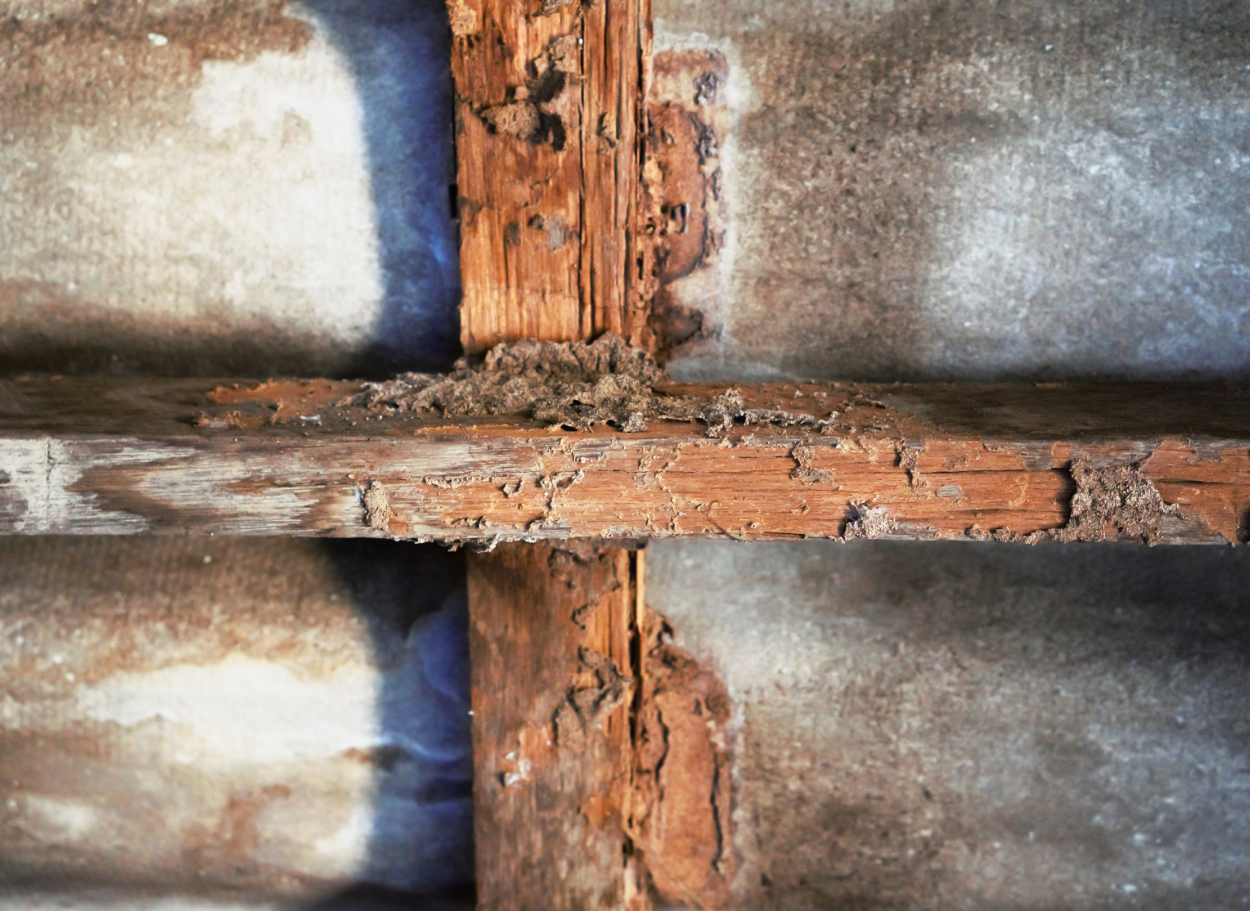

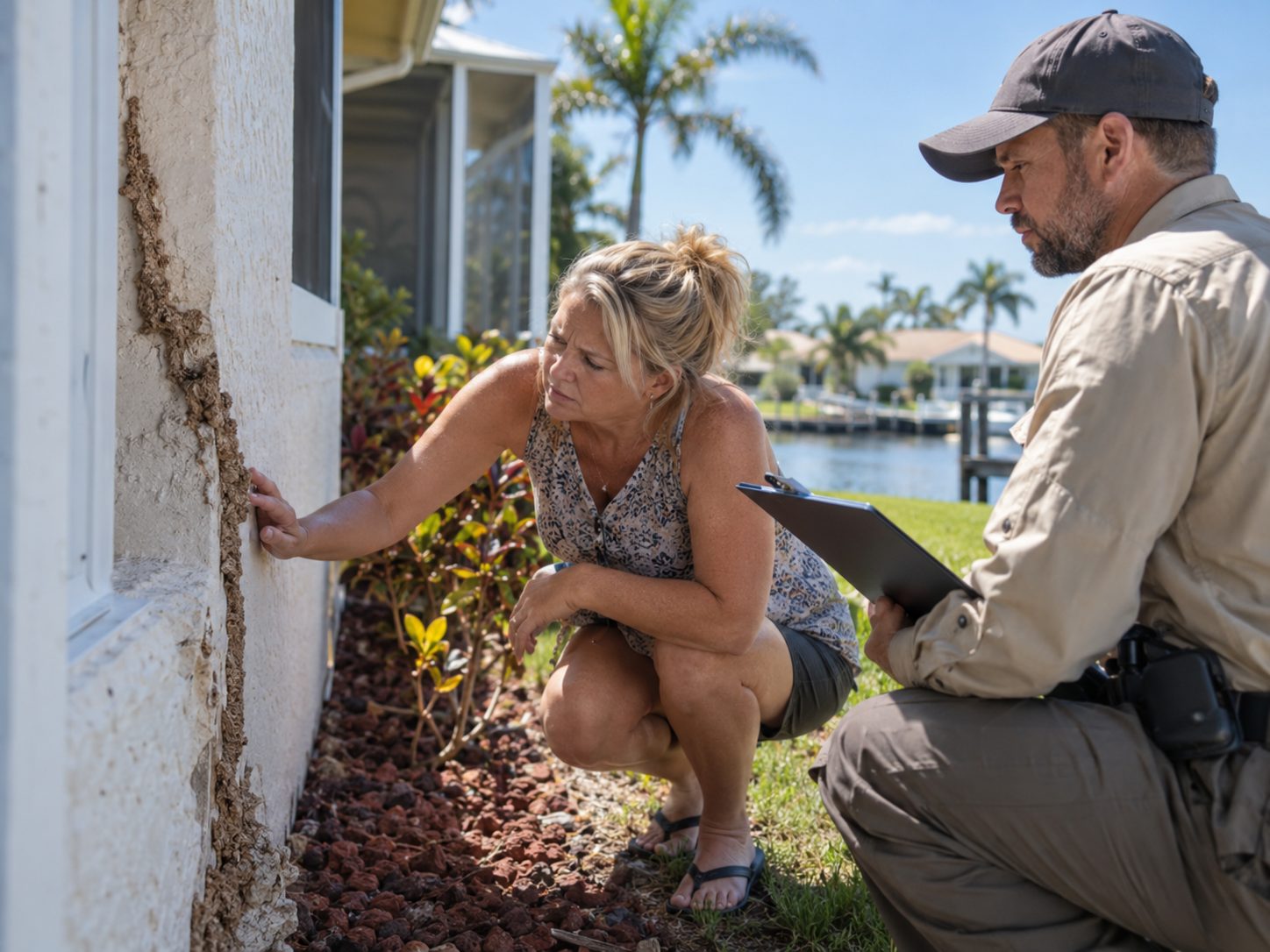
Termites rarely announce themselves in a dramatic way. More often, the first sign is subtle, a blistering patch of paint near a baseboard, a door frame that suddenly feels tight, a tenant mentioning tiny wings on the windowsill after a warm rain. By the time those clues show up, the colony has usually been active for months, sometimes longer.
That slow, hidden pattern is exactly what makes termite issues in apartments, condos, and rental properties different from a straightforward problem in a single-family house. In a detached home, one owner makes the decision, one resident grants access, and one structure is being evaluated. In a multi-unit building or rental portfolio, the question is never just whether termites are present. It is who is affected, how far activity extends, who authorizes treatment, who pays for repairs, and how to get the work done without creating friction between owners, managers, tenants, and associations.
Termite Control Services in these settings have to do more than eliminate insects. They have to fit the realities of shared walls, legal obligations, occupancy schedules, maintenance records, and budget planning. The technical work matters, but the coordination matters almost as much.
Why multi-unit properties create a different termite problem
In apartments and condos, termites do not care about unit lines on a deed or lease. They move through framing, wall voids, expansion joints, and utility penetrations. A colony can feed in one unit while the most visible damage appears in another. In a garden-style complex, they may travel from a landscape bed into a lower unit and then follow structural wood toward adjacent spaces. In a condo building with individual ownership, one owner may notice symptoms while the origin point lies in a common element, such as a shared wall, roof structure, or Termite Control Services structural support.
That is why termite treatment in a multi-unit environment almost always starts with a bigger question than tenants or owners expect. The question is not just, “Can you treat my unit?” It is, “What is the actual scope of the infestation?”
A lot of costly mistakes happen when people skip that step. A landlord treats a single window sill because a tenant complained, only to learn later that the activity extends along an entire wall line. A condo owner pays for local treatment inside the unit, then discovers the homeowners association controls the area where moisture intrusion made the infestation possible. An apartment manager authorizes spot treatment to avoid disruption, but because the colony is coming from soil contact outside the treated area, activity returns.
Experience teaches a simple rule here. If termites are found in one unit of a shared structure, assume nothing and inspect broadly.
The species matters more than many owners realize
Not every termite problem behaves the same way. Subterranean termites and drywood termites create very different service plans, and that distinction affects cost, access, scheduling, and communication with residents.
Subterranean termites are the species property managers encounter most often in many regions. They live in the soil, need moisture, and build mud tubes to reach wood. In apartment communities and rental buildings, they often exploit landscaping, foundation cracks, expansion joints, plumbing penetrations, and wood-to-soil contact around porches or siding. Their connection to the ground means treatment usually involves some combination of trenching, drilling, foam applications, or a baiting system placed around the structure.
Drywood termites are different. They live inside the wood they consume and do not need soil contact. In condos, especially in warmer coastal climates, they may infest window frames, attic framing, fascia boards, trim, or cabinetry. Because they can occupy isolated pockets of wood, a professional may recommend localized treatment if the infestation is small and well defined. If activity is widespread across multiple units or common areas, whole-structure fumigation may be the better answer.
This is where professional judgment matters. Owners sometimes push for the least disruptive option without understanding what they are trading away. Spot treatment can be effective in the right situation, but it depends on precise identification of infested wood and confidence that the problem is contained. If the evidence is incomplete, cheaper treatment can become expensive repetition.
What a solid inspection should include
A termite inspection for a multi-unit property should feel systematic, not rushed. It is not just a technician glancing at a damaged baseboard and writing an estimate on the spot. In apartments, condos, and rentals, the inspection should account for patterns across the property.
The strongest inspections usually include interior inspection of the affected unit, review of adjacent or connected areas where practical, and a careful exterior evaluation of the building envelope and grounds. Crawl spaces, attics, utility rooms, garages, storage spaces, and mechanical penetrations often tell the real story. Moisture conditions matter too. Leaking hose bibs, poor drainage, condensate lines, roof leaks, and unsealed utility entries frequently create the conditions termites exploit.
When I have seen termite jobs go smoothly, it is usually because the inspection answered five practical questions early:
- What termite species is present, or most likely present?
- Is the activity current, old, or mixed?
- How far does the infestation appear to extend?
- What site conditions are encouraging it?
- Which areas fall under owner, landlord, or association responsibility?
Those questions sound basic, but they save time, arguments, and duplicate work. They also shape the service plan in a way residents can understand.
Apartments: speed, access, and repeatability
Apartment properties bring one set of pressures. Managers need quick action, clean documentation, and treatment plans that can be repeated across similar buildings. Residents want reassurance and clear scheduling. Maintenance teams want to know whether they need to open walls, replace trim, or correct moisture issues after the pest work is done.
In that environment, the best Termite Control Services are operationally disciplined. Notices are sent on time. Entry windows are realistic. Documentation is legible. The treatment recommendation explains what will happen in occupied units, what preparation is needed, and whether follow-up visits are required.
Large communities also need consistency. If one building is treated for subterranean termites because of evidence near the rear slab, while a nearly identical building across the courtyard shows early warning signs, the manager may need a broader prevention strategy rather than a piecemeal response. This is where annual inspections and trend tracking pay off. A single service event is easy to forget. A record showing recurring pressure on the same building type or landscaping layout helps management allocate money intelligently.
There is also a resident-relations side to apartment termite work that gets overlooked. Tenants are usually less concerned with the technical distinctions between termiticides and baits than with three things: whether they need to move furniture, whether the treatment is safe when used as directed, and whether the problem suggests neglected maintenance. A professional provider knows how to answer those concerns plainly, without being evasive or alarmist.
Condos: shared responsibility can slow everything down
Condos are where termite issues often become administrative before they become technical. Ownership is fragmented, but the structure is shared. One owner may be highly motivated to act, another may resist access, and the association may control parts of the building that are central to treatment.
The details depend on governing documents and local law, but the broad pattern is common. Interior surfaces may belong to the unit owner, while framing, roofs, exterior walls, balconies, and common grounds may be controlled by the association. Termites do not respect those distinctions, which means treatment and repairs can stall if everyone assumes someone else is responsible.
A practical approach starts with documentation. Photos of damage, notes from the inspection, and a written recommendation identifying affected areas help the board or management company evaluate next steps. Vague claims like “possible termites somewhere in the wall” create delay. Specific language gets movement.
It also helps when the termite contractor understands the condo environment well enough to communicate in layers. The board needs scope, risk, and cost implications. The owner needs to know whether interior access is required. Neighbors need notice if their units may be part of the inspection path. Without that coordination, even good technical treatment plans run into avoidable resistance.
In older condo complexes, moisture is often the hidden partner in the problem. Wood rot around balconies, poorly sealed windows, failed flashing, or long-running roof leaks create soft, attractive material for termites and make accurate damage assessment harder. Pest control alone will not solve that. The infestation may be eliminated, but if the moisture source remains, future activity becomes more likely and repair costs continue to rise.
Rental houses and small multifamily properties sit in the middle
Single rental homes, duplexes, triplexes, and fourplexes often land in an awkward middle ground. They are small enough that landlords may try to handle termite concerns informally, but large enough that tenant communication and maintenance follow-through still matter.
The typical pattern is familiar. A tenant reports something minor. The owner delays because the complaint sounds cosmetic. Months later, trim has to be replaced, flooring near a wall softens, or a refinance inspection flags evidence of infestation. At that point, the owner is not just paying for treatment. They are paying for deferred response.
For small landlords, the smartest move is to treat termite findings like roof leaks: not necessarily a panic, but never a “wait and see” issue. A prompt inspection costs less than uncertainty. It also protects the paper trail. If the property is occupied, lenders, insurers, buyers, and local housing authorities may all view pest-related structural neglect differently than an owner expects.
Treatment options and the trade-offs behind them
There is no single termite treatment method that fits every apartment, condo, or rental property. Good recommendations are shaped by species, building design, infestation extent, access, occupancy, and budget.
Soil treatments for subterranean termites can be very effective, especially when a continuous treated zone can be established around vulnerable areas. On a simple slab home, that may be straightforward. On a multi-unit building with patios, garages, sidewalks, finished flooring, and limited perimeter access, it gets more complex. Drilling through slabs or hardscape may be necessary. In some buildings, full perimeter treatment is difficult or impossible without coordination across multiple units or common areas.
Bait systems are attractive in settings where intrusive drilling is undesirable or where long-term monitoring is valuable. They can work well, but they require patience and follow-up. Some owners hear “bait” and assume instant relief. That is not how it works. A baiting program is often a strategic control and monitoring tool, not a same-day cure for visible interior damage.
For drywood termites, localized injection or foam treatment can be the right call when infestations are isolated. Precision matters here. If activity is spread through inaccessible framing across several units, fumigation may be the more reliable choice despite the inconvenience. Owners sometimes resist fumigation because of preparation requirements and temporary vacancy, which is understandable. But when widespread drywood activity is documented, avoiding the disruptive option can simply postpone it.
One of the most useful parts of a termite proposal is not the treatment itself, but the explanation of limitations. Any honest provider should be willing to say what the chosen method will and will not accomplish.
What landlords and property managers should do when termites are suspected
The early response sets the tone for everything that follows. Done well, it limits damage and prevents disputes. Done poorly, it turns a manageable issue into a trust problem.
- Document the report immediately, including photos, date, and exact location.
- Schedule a professional inspection rather than relying on maintenance guesswork.
- Check nearby units or connected structural areas if the building layout warrants it.
- Communicate access needs and timing clearly to residents or owners.
- Pair the termite plan with repairs for leaks, drainage issues, or damaged wood.
That sequence works because it keeps the issue grounded in evidence. It also prevents the common mistake of separating pest control from building maintenance. Termites thrive where moisture and access are left unresolved.
The repair side is part of the service story
Termite treatment stops active infestation or brings it under control, but it does not magically restore damaged wood. In rentals and condos, that distinction needs to be explained early. I have seen more than one dispute start because a resident assumed “treated” meant “fixed.”
Some damage is cosmetic, such as minor trim deterioration or blistered paint over old galleries. Some damage affects function, such as weakened door frames, soft subfloor edges, or compromised exterior trim that lets water in. In more serious cases, structural members need evaluation by a qualified contractor or engineer. A pest company may identify visible damage, but repair design and code compliance belong to the construction side.
For managers, this means the best termite response is often two coordinated scopes of work, one for control and one for repairs. If they happen in the right order, the process is cleaner. Treat first, confirm control, then repair with a clear understanding of what wood should be removed, reinforced, or replaced.
Cost is never just the treatment invoice
People often ask what termite service costs, but for apartments, condos, and rentals that question is too narrow. The true cost can include inspection time, access coordination, treatment, resident notices, patching after drilling, carpentry repairs, repainting, and occasional temporary relocation if fumigation is required.
For a small, localized issue, costs may remain modest. For a multi-unit building with active subterranean termites along one elevation or drywood termites across several upper-floor units, the numbers rise quickly. It is more accurate to think in terms of cost tiers than one universal price. The least expensive job is the one caught early, before hidden damage expands and before the infestation spreads into adjacent spaces.
This is one reason routine inspections make financial sense for rental portfolios and associations. They do not eliminate termite risk, but they shorten the window between activity and response. That alone can mean the difference between a targeted treatment and a broad, disruptive project.
Prevention is mostly about conditions, not luck
Property owners sometimes talk about termites as though infestations are random acts of nature. Pressure from the environment is real, but site conditions matter a great deal. Buildings that stay wet, have wood contact near grade, or carry deferred exterior maintenance invite trouble.
Prevention in multi-unit housing is rarely glamorous. It looks like grading soil away from foundations, fixing leaks promptly, maintaining sealants, keeping mulch and dense plantings from crowding siding, and replacing damaged wood before it becomes an open invitation. It also looks like training staff to recognize early signs. A maintenance technician who knows the difference between ant swarmers and termite swarmers, or who notices mud tubes behind stored materials in a utility room, can save the property thousands.
For associations and professional managers, prevention also includes policy. If a unit owner renovates a bathroom and closes up a leak-prone wall without resolving moisture, or if residents stack firewood against exterior walls, termite risk increases. Clear maintenance standards support the pest control plan.
Choosing a provider for this kind of property
The right termite company for a multi-unit property is not always the one with the lowest estimate. It is the one that can diagnose accurately, explain scope clearly, work around occupancy constraints, and produce documentation that stands up when questions come later.
Ask how they determine species, how they evaluate adjacent units, what follow-up is included, and how they handle communication in occupied buildings. Ask what preparation residents should expect and whether there are limitations based on inaccessible areas or construction type. A vague answer at the estimate stage usually becomes a frustrating answer once the work starts.
It also helps to choose a provider that respects the chain of responsibility. In apartments, that may mean working through management while still giving tenants practical guidance. In condos, it may mean separating unit-owner concerns from association-controlled elements without muddying either. In rentals, it often means helping a landlord understand not Termite Control Services maximumpests.com just what treatment is needed today, but what building corrections will reduce the chance of another call six months from now.
The real goal is stability
For apartments, condos, and rentals, termite control is not simply about killing termites on a given day. The real goal is restoring stability to the property. Residents need confidence that their home is safe and cared for. Managers need a process that is organized and defensible. Owners need to know the money spent is solving the actual problem, not just the visible symptom.
That is why effective Termite Control Services combine inspection discipline, building knowledge, practical communication, and follow-through. When those pieces come together, termite problems stay contained. When they do not, the insects are only half the issue. The rest is confusion, delay, and preventable cost.
In multi-unit housing, that difference matters. A prompt, well-scoped response protects more than wood. It protects occupancy, reputation, and the long-term value of the property itself.
Maximum Pest Control
836 NE 7th Terrace Suite #5
Cape Coral, FL 33909
+1 239-772-7363
FAQ About Termite Control Services
What are two signs of a termite infestation?
Mud tubes along a foundation and piles of shed wings near doors or windows are two signs to investigate. Mud tubes are associated with subterranean termites. A licensed inspector can identify the insect and assess whether there is active infestation.
How many years does a termite treatment last?
There is no single timeline for all treatments. The method, site conditions, and maintenance affect how long protection lasts. Bait systems rely on monitoring and service. Ask the provider for the recommended inspection schedule and the terms of any coverage.
Is Termite Treatment Expensive in Cape Coral?
Cost depends on the termite species, the size and construction of the property, the extent of activity, and the treatment method. Request a written estimate after inspection and ask whether monitoring, follow-up visits, and renewals are included.