How Termite Control Services Keep Commercial Spaces Compliant
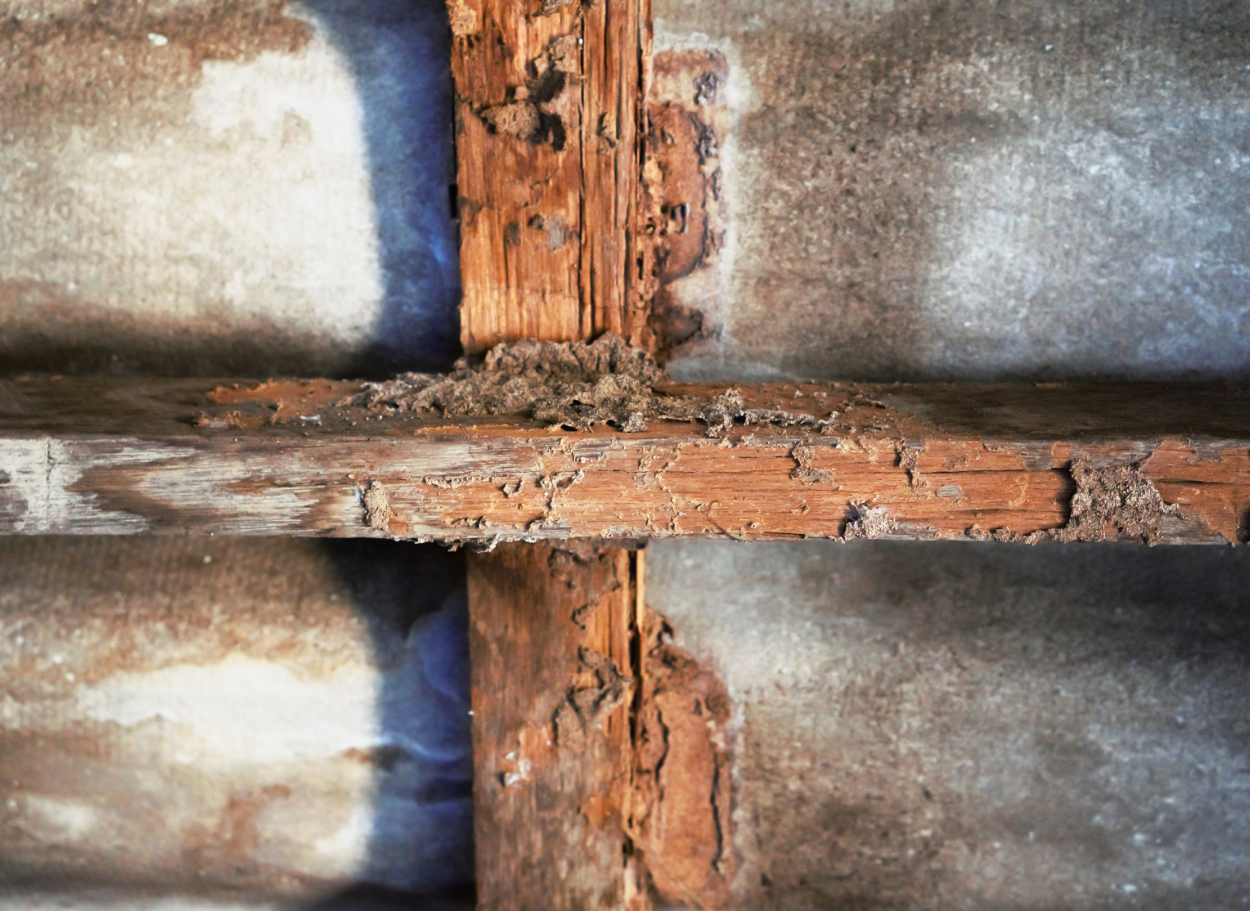
Commercial property managers usually start thinking about termites for one of two reasons. The first is obvious: visible damage, swarm activity, or a failed inspection. The second is less dramatic but far more important over the long term: compliance. In many commercial settings, termite activity is not just a maintenance problem. It can trigger health and safety concerns, lease disputes, insurance complications, failed audits, and expensive interruptions to business operations.
That connection between pest management and compliance is often underestimated. A termite issue in a warehouse, retail center, office complex, healthcare facility, school, or hospitality property can affect more than the structure itself. It can compromise records, disturb fire-rated assemblies, weaken flooring in high-traffic areas, and raise legitimate questions about whether the building is being maintained to the standard expected by owners, tenants, lenders, and regulators.
Termite Control Services play a practical role here. Good providers do much more than treat an active infestation. They document conditions, identify vulnerabilities, recommend corrective action, create inspection schedules, and help commercial operators maintain a paper trail that stands up when questions arise. That paper trail matters. In many cases, compliance is not only about what was done. It is about whether the owner or manager can prove a reasonable, systematic approach to prevention and response.
Compliance starts with building condition, not just pest activity
Most commercial compliance frameworks are not written as termite laws. They show up indirectly through property maintenance requirements, local building codes, lease obligations, workplace safety expectations, accreditation standards, and lender requirements. A termite colony does not need its own line item in a regulation to become a compliance issue. If termites contribute to structural deterioration, moisture retention, unsafe surfaces, damaged egress routes, or neglected building systems, the problem quickly moves beyond pest control.
In practice, this is where experienced termite professionals become valuable. They understand that a commercial site is judged not only on whether pests are present, but on whether management is exercising due care. During inspections, they are often looking at conditions that create liability even before major damage appears: chronic moisture around mechanical rooms, wood-to-soil contact at loading docks, inaccessible voids near tenant improvements, landscape features that bridge treated zones, and storage practices that block routine inspection access.
I have seen properties that looked clean and well run at a glance but failed basic prevention standards once the inspection moved to the service corridors, receiving areas, and exterior utility penetrations. A landscaped planter built against a storefront, for example, may seem harmless from a design standpoint. From a termite perspective, it can conceal entry points and keep structural elements damp for months. A provider who simply applies a treatment without documenting that underlying risk is not really helping the client stay compliant. They are postponing the next problem.
Why commercial spaces face higher scrutiny
A single-family home can sometimes absorb termite damage quietly for years before anyone notices. Commercial spaces rarely have that luxury. There are more occupants, more inspections, more contractual obligations, and more financial stakeholders. The tolerance for uncertainty is lower.
For a retail tenant, termite damage around stockrooms or sales floors can become a lease issue if access is disrupted. For a food-related business, visible pest concerns of any kind can trigger heightened scrutiny during sanitation reviews, even when termites themselves are not contaminating food. In healthcare and education settings, the standard is higher still because maintenance failures can undermine public trust. In office environments, damaged millwork, sagging floors, or recurring repairs may not shut the building down, but they can create documented maintenance deficiencies that build over time.
Lenders and insurers also pay attention. During refinancing, acquisition, or portfolio review, evidence of unmanaged wood-destroying organism risk can complicate due diligence. Buyers, risk managers, and underwriters tend to look for patterns. Was there a history of infestation? Were inspections performed consistently? Were corrective recommendations acted on? Did the property manager maintain treatment records and follow-up reports? If those records are missing, the issue becomes larger than the termites themselves.
The inspection report is often the compliance backbone
When people think of termite work, they often picture bait stations, trenching, or spot treatment. In commercial compliance, the inspection report is usually the most important deliverable. A strong report translates field observations into operational guidance. It creates a timestamped record of conditions observed, areas accessed, limitations encountered, evidence found, and actions recommended.
This matters because commercial buildings are complicated. A provider may not be able to inspect every cavity, tenant suite, ceiling void, elevator chase, or slab penetration during one visit. That does not weaken the value of the report if the limitations are documented clearly. In fact, clear limitations are part of sound compliance practice. They show that management was informed about blind spots and can plan for further access, invasive inspection, or coordinated repairs if necessary.
Good reporting also protects commercial clients against a common operational problem: fragmented responsibility. The property manager may oversee contracts, the facilities team may handle repairs, tenants may control access to interior areas, and ownership may approve capital work. Without a written record, recommendations get lost between departments. With a proper report, everyone is looking at the same evidence and the same risk language.
The best commercial termite reports usually include site diagrams or treatment maps, photos of active or conducive conditions, notes on previous treatment history if known, and a practical follow-up schedule. That schedule is not generic. A distribution center with high door traffic and perimeter landscaping needs a different inspection rhythm than a second-floor office suite in a concrete building.
Preventive programs are easier to defend than reactive fixes
Compliance is easier to maintain when termite management is treated as a scheduled building protection measure rather than an emergency service. Once damage becomes visible, the conversation changes. At that point, stakeholders start asking what was missed, how long the condition existed, and whether routine inspections would have caught it earlier.
Preventive service programs answer those questions before they become disputes. They establish a reasonable pattern of care. For commercial sites, that often means combining periodic inspections with targeted treatment zones, moisture management recommendations, and maintenance coordination. The termite vendor is one piece of the system, but the system works only if the property follows through on the conditions that make infestation more likely.
A recurring problem in commercial properties is the assumption that one treatment solves everything for years without any need for review. That is rarely a responsible assumption. Soil disturbances, tenant renovations, plumbing leaks, drainage changes, hardscape additions, and landscaping work can all affect the performance of termite barriers or increase vulnerability in areas that were previously low risk. A treatment performed properly three years ago may still be valuable, but it should not replace ongoing verification.
From a compliance standpoint, the strongest position is usually simple: the property had a documented schedule, inspections were performed, findings were reported, corrective work was tracked, and conditions were rechecked. That sequence shows diligence. It is much harder to defend a property that has no records until visible failure occurs.
How Termite Control Services support specific commercial obligations
Commercial compliance is rarely managed by one rulebook. It sits at the intersection of maintenance, safety, documentation, and contract performance. Termite Control Services help owners and managers meet those obligations in several practical ways.
- They establish inspection records that demonstrate routine monitoring and timely response.
- They identify building conditions, such as moisture intrusion or wood contact, that can violate broader maintenance standards.
- They provide treatment documentation that can be shared with tenants, insurers, auditors, and buyers when needed.
- They support repair prioritization by distinguishing active infestation, old damage, and conducive conditions.
- They reduce the chance of business interruption by catching problems before structural repairs become urgent.
Each of those points has operational value. Consider a mixed-use property with ground-floor retail and upper-level offices. If a tenant reports winged swarmers near a rear service corridor, management needs more than a quick spray. They need to know whether the insects indicate an established colony, whether adjacent units may be affected, whether wall voids or floor transitions require repair, and whether the issue points to a breakdown in the site’s existing protective measures. The termite provider’s findings guide not only treatment, but communication, access planning, repair scopes, and records retention.
Documentation matters most when properties change hands
One of the clearest lessons in commercial real estate is that missing records become expensive at the worst possible time. A building can operate for years with informal knowledge held by one facility manager, then face a sale, refinance, or legal review that demands hard documentation. If termite history is vague, buyers and consultants often assume a more conservative risk position, and conservative risk usually means more intrusive inspections, repair holdbacks, or broader treatment requirements.
When a property has maintained organized termite records, the conversation is more manageable. Those records typically include prior inspection dates, findings, treatment methods, service locations, recommended repairs, and notes on whether conducive conditions were corrected. Even when prior termite activity existed, strong documentation can reassure the next stakeholder that the issue was identified and managed responsibly.
This is especially relevant for older commercial buildings, adaptive reuse projects, and properties with extensive wood framing or decorative wood features. Historic buildings, boutique hotels, and converted industrial spaces often have architectural details that make termite risk harder to assess visually. In those settings, a provider’s historical records can be almost as valuable as the treatment itself because they show trend lines over time.
Repairs and termite treatment have to work together
One of the biggest compliance mistakes in commercial termite work is treating the infestation as a standalone issue. Termites rarely succeed because they are unusually clever. They succeed because the building offers access, moisture, concealment, or neglected damage. Treatment without repairs can leave the compliance problem largely intact.
Take a common example: a strip mall with repeated water intrusion near rear tenant spaces. The termite company may treat around the affected area and document subterranean activity. If the leaking hose bib, poor drainage, and deteriorated door framing are never corrected, the property remains vulnerable. More importantly, management now has written notice of the underlying conditions. Ignoring those recommendations can create a much harder conversation later if damage spreads.
This is why experienced commercial providers tend to communicate in plain operational terms. They do not simply say, “active termites found.” They connect that finding to what the property team needs to do next. Replace damaged trim. Remove cellulose debris from the crawlspace. Restore clearance between siding and grade. Repair irrigation overspray. Reinspect after slab work. Those recommendations bridge the gap between pest control and maintainable compliance.
A well-run property usually assigns these actions across departments quickly. Facilities handles repairs, grounds addresses landscape contact, janitorial or operations clears stored materials, and property management tracks follow-up dates. When that coordination happens, termite findings become manageable maintenance items instead of recurring liability.
Tenant communication can make or break the response
Commercial compliance is not only technical. It is procedural. In multi-tenant buildings, termite work often requires access coordination, after-hours scheduling, and clear communication about what was found and what will happen next. If tenants are surprised by drilling, trenching, or repeated inspections, they may escalate concerns unnecessarily. If they are left in the dark after reporting signs of activity, the same thing happens.
The best approach is usually brief, factual, and consistent. Tenants do not need alarmist language. They need clarity. Was activity confirmed? Is there any impact on occupied space? Will treatment occur inside, outside, or both? Are repairs needed in leased premises? Will follow-up inspections be scheduled? That level of communication reduces confusion and shows that management is handling the issue professionally.
For regulated environments, including healthcare, education, and some food-related uses, tenant and occupant communication should also align with site safety protocols. This is another place where experienced providers add value. They know how to coordinate with facility restrictions, patient areas, school schedules, or production windows while still completing effective service.
Different commercial properties need different strategies
Not every commercial building carries the same termite risk or compliance exposure. A low-rise office park with isolated suites has a different profile from a hotel, warehouse, or senior living facility. That seems obvious, but service scopes are still too often copied from one property type to another without enough adjustment.
A hotel, for instance, has constant occupancy, high reputational sensitivity, decorative wood finishes, and limited tolerance for disruptive treatment during peak periods. A warehouse may have fewer finish materials but more hidden perimeter vulnerabilities, high door activity, and storage practices that obstruct inspection. Schools often need tightly controlled scheduling and clear reporting to maintenance leadership. Healthcare sites add infection control coordination, restricted access, and a higher expectation for documented environmental management.
This is where broad experience matters. The provider who understands how buildings are actually used will make better decisions about inspection frequency, access planning, treatment placement, and reporting format. Compliance is easier when the termite plan fits the site instead of forcing the site to fit a generic plan.
What property managers should expect from a serious provider
Commercial clients do not need flashy promises. They need competence, consistency, and records that hold up under scrutiny. A serious termite vendor should be able to explain what they found, what they could not inspect, what treatment or monitoring they recommend, what site conditions need correction, and when they need to return. If those answers are vague, the service is probably not robust enough for a compliance-sensitive property.
Property managers should also expect the provider to flag edge cases. One that comes up often is distinguishing active infestation from old damage in renovated buildings. Another is recognizing when visible signs may point to hidden conditions beyond the scope of a standard inspection, requiring invasive review by contractors or engineers. maximumpests.com Termite Control Services A provider does not need to overreach into another discipline, but they should know when to say that pest treatment alone will not answer the bigger building question.
The most dependable vendors are also realistic. They will not guarantee that no termite will ever enter a property again. They will explain how the protective system works, what can compromise it, and what maintenance habits are necessary to support it. That candor is useful. Compliance improves when the client understands the limits as well as the strengths of the service.
The warning signs that often surface before major noncompliance issues
Many serious termite cases in commercial buildings are preceded by smaller clues that go unaddressed because they seem routine. Those clues are worth treating seriously, especially when they repeat.
- Swarmers appearing near windows, service corridors, or lighted interior spaces during season changes
- Mud tubes on foundation walls, utility entries, or concealed back-of-house surfaces
- Soft trim, blistered paint, or sagging wood elements near chronic moisture areas
- Landscaping, mulch, or soil built up against siding, columns, or door frames
- Stored cardboard, scrap wood, or inventory blocking inspection zones for long periods
None of those conditions automatically means a major structural problem exists. But in commercial settings, repeated warning signs often indicate a breakdown in routine monitoring or maintenance coordination. The cost of investigating early is usually modest compared with opening walls, relocating tenants, or explaining deferred upkeep during a claim or transaction.
Termite compliance is really asset protection with proof
The phrase “keeping a property compliant” can sound bureaucratic, but on the ground it is practical. Compliance means the building is being monitored, maintained, documented, and corrected in a way that a reasonable third party can understand and verify. Termite Control Services contribute directly to that standard when they are integrated into the broader maintenance program rather than treated as an isolated specialty.
The strongest commercial properties approach termites the same way they approach roof integrity, fire systems, and water intrusion. They understand that prevention costs less than disruption, and documentation costs almost nothing compared with uncertainty. A missed termite issue can lead to repairs, claims, disputes, and reputational damage. A managed termite risk, backed by routine service and clear records, is simply part of competent property operations.
That is why effective termite work in commercial spaces is not just about eliminating insects. It is about preserving the building, protecting occupants and tenants, supporting inspections and transactions, and giving owners evidence that they have taken the problem seriously. When those pieces are in place, compliance stops feeling like an abstract obligation and starts looking like what it really is: disciplined stewardship of a valuable asset.
Maximum Pest Control
836 NE 7th Terrace Suite #5
Cape Coral, FL 33909
+1 239-772-7363
FAQ About Termite Control Services
What are two signs of a termite infestation?
Mud tubes along a foundation and piles of shed wings near doors or windows are two signs to investigate. Mud tubes are associated with subterranean termites. A licensed inspector can identify the insect and assess whether there is active infestation.
How many years does a termite treatment last?
There is no single timeline for all treatments. The method, site conditions, and maintenance affect how long protection lasts. Bait systems rely on monitoring and service. Ask the provider for the recommended inspection schedule and the terms of any coverage.
Is Termite Treatment Expensive in Cape Coral?
Cost depends on the termite species, the size and construction of the property, the extent of activity, and the treatment method. Request a written estimate after inspection and ask whether monitoring, follow-up visits, and renewals are included.