How Seasonal Changes Affect the Need for Termite Control Services

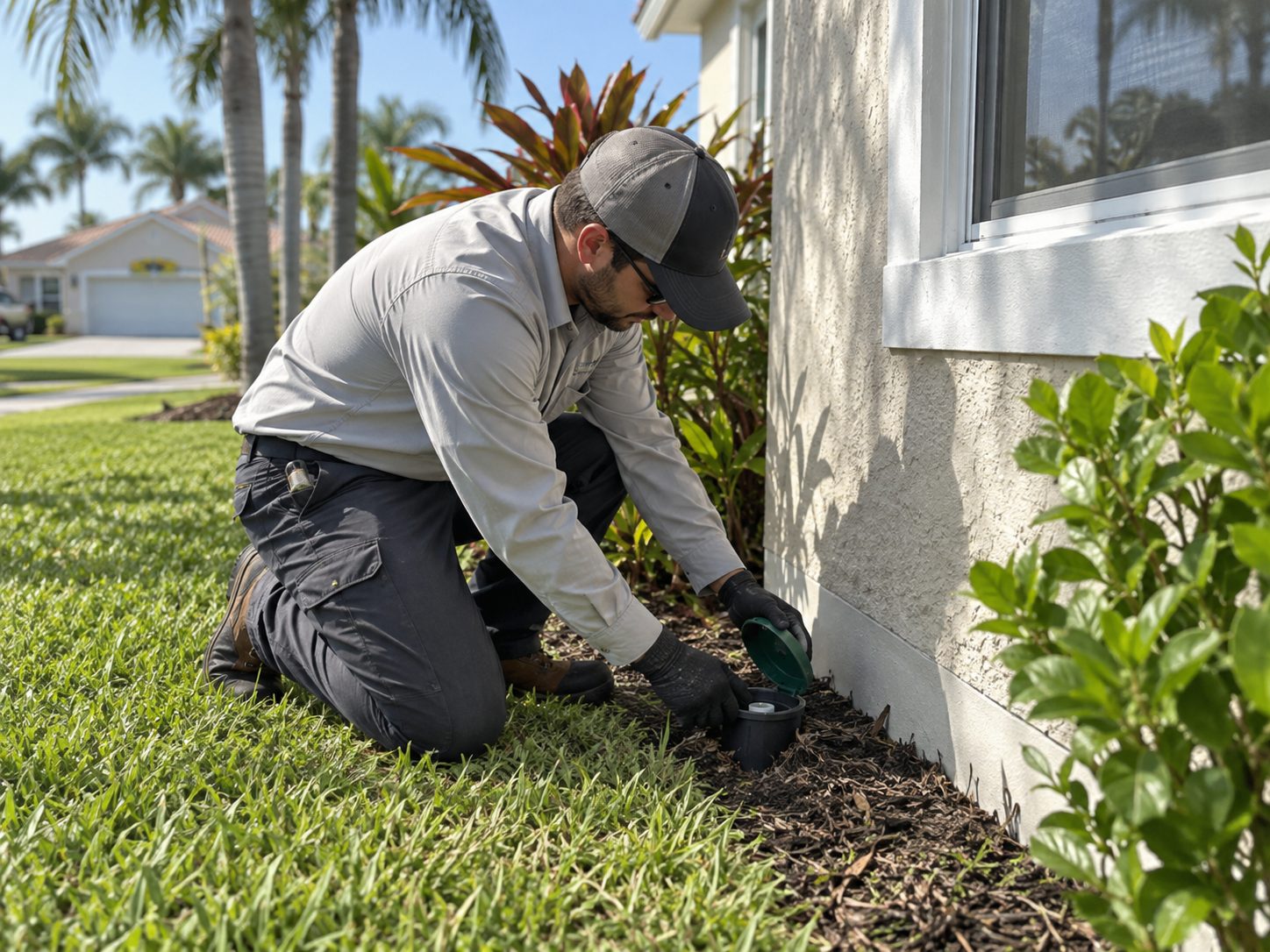
Termites do not disappear when the weather changes. They adjust. That distinction matters more than most property owners realize.
A lot of homeowners assume termite activity peaks in hot weather and fades into the background once temperatures drop. In practice, seasonal shifts change where termites forage, how visible they become, and when infestations are easiest or hardest to detect. The need for termite control services does not rise and fall in a simple straight line. It moves with moisture, soil temperature, building conditions, and the biology of the termite species in the area.
After years of seeing infestations unfold across different properties, from slab-on-grade suburban homes to older crawlspace structures and commercial buildings with irrigation-heavy landscaping, one pattern repeats itself: the calendar influences termite pressure, but not always in the ways owners expect. Spring may bring visible swarms, summer may speed colony expansion, fall may hide warning signs under leaf litter and cooler nights, and winter may lull people into delaying treatment just when conditions inside and under the structure remain favorable.
Understanding those seasonal patterns helps owners make better decisions about inspections, repairs, and treatment timing. It also helps explain why a house that looked fine in one month can show significant damage six months later.
Termites respond to conditions, not dates
Termites are driven by survival needs. They seek moisture, cellulose, stable shelter, and routes that protect them from open air and light. Seasonal weather changes affect each of those factors.
Subterranean termites, which are responsible for a large share of structural infestations in many regions, live in the soil and depend on moisture. Dry spells can push them deeper underground or toward structures where plumbing leaks, condensation, or shaded foundation zones create a more reliable environment. Periods of rain can have the opposite effect. Moist soil allows termites to expand their foraging range, often making wooden elements near the foundation more vulnerable.
Drywood termites follow somewhat different patterns because they live directly inside the wood they infest. Even so, seasonal heat and humidity can still affect reproduction and the timing of swarms. In warm climates, owners may notice activity for longer stretches of the year. In cooler regions, visible signs may cluster more tightly around certain months.
This is why a seasonal approach to termite control services works best when it is based on local behavior rather than generic national advice. A spring strategy in coastal Florida is not the same as one in the Carolinas, southern California, or a Mid-Atlantic city with freeze-thaw cycles.
Spring is when termites become visible
Spring is often the season that gets attention, and for good reason. Warmer temperatures and rising humidity can trigger termite swarms. These winged reproductives emerge to start new colonies, usually after a stretch of suitable weather. People often find them near windows, doors, light fixtures, or spider webs around the eaves.
The key point is that a swarm is not the beginning of a termite problem. It is a visible sign of an established colony that has likely been active for quite some time.
One homeowner I worked with described a swarm in the dining room as something that happened "all at once." In reality, the colony had probably been feeding behind the wall and beneath the floor for years. The spring weather did not create the infestation. It exposed it.
Spring also creates favorable conditions for hidden expansion. Mulch beds hold moisture against the foundation. Frequent rain keeps soil damp. Irrigation systems start running more consistently. Wooden fence posts, deck supports, and landscaping timbers absorb moisture and can become stepping stones toward the house.
This is the season when inspections are especially valuable, not because termites suddenly appear in spring, but because signs become easier to catch before peak summer growth. A trained inspector will look well beyond the swarm itself. Mud tubes along the foundation, blistered paint, soft trim, hollow-sounding wood, and excess moisture around plumbing penetrations often tell a fuller story.
For many properties, spring is the ideal time to schedule termite control services because treatment crews can identify active routes before dense summer vegetation obscures access points. It is also a practical time for owners to correct drainage issues, repair leaks, and pull back soil or mulch that has crept too high against siding.
Summer can accelerate colony pressure
If Termite Control Services spring is the season of discovery, summer is often the season of acceleration.
Warm soil and high humidity tend to support foraging activity, especially for subterranean species. Colonies that remained mostly hidden earlier in the year may expand feeding sites once conditions stabilize. This does not always mean more visible signs. In fact, some of the busiest termite activity happens out of sight, inside wall voids, under slab edges, or within crawlspace framing.
Summer also exposes a weakness in many homes: moisture control systems that look adequate in mild weather can fail under heavy use. Air conditioning condensate lines clog. Crawlspaces sweat. Poor attic ventilation contributes to trapped humidity that migrates downward. Outdoor hose bibs begin leaking after frequent use. Sprinklers hit the siding or flood planting beds along the base of the house.
Those conditions do not guarantee termites, but they improve the odds. In field experience, the homes with the most expensive damage are rarely the ones with only one problem. They usually have a chain of issues, such as high soil contact, damp wood, dense ground cover, and a delayed inspection history.
Summer is also when renovations can increase risk if not handled carefully. Additions, new decks, planters built against the home, or stacked lumber left on-site can all create concealed access. Contractors focused on finishing the project quickly do not always think about future termite pathways. A six-inch wood-to-soil contact point hidden behind fresh landscaping can undermine a treatment plan that otherwise would have worked well.
For that reason, summer termite control services often involve more than treatment alone. They may include coordination with other repairs, especially when the structure has attached wood features, drainage defects, or inaccessible crawlspace areas.
Fall creates ideal conditions for missed warning signs
Autumn tends to be underestimated. People shift attention to roofing, gutters, leaves, and heating systems. Termites keep working.
In many regions, fall moisture patterns can be favorable for termite foraging. Temperatures remain moderate, the ground often holds residual warmth, and rainfall may increase. At the same time, early morning coolness can make owners assume pest pressure is easing. That assumption can delay inspections until visible damage becomes more severe.
Leaf buildup is a small issue that becomes large over time. Wet leaves trap moisture along foundation walls, cover mud tubes, and keep lower siding damp. Firewood stacks also return to the picture in fall. When stored directly against the home or in a damp crawlspace, they create a near-perfect bridge between termite habitat and structural wood.
There is also a Termite Control Services paperwork problem in the fall. Real estate transactions often cluster around seasonal school and relocation cycles, and termite inspections may be treated as just another closing item. When that happens, buyers focus on the report headline and miss the context. "No visible evidence" does not mean "no risk." It may simply mean conditions limited visibility, especially if insulation, stored items, dense vegetation, or structural design restricted access.
A careful fall inspection often reveals conditions that owners lived with through summer without noticing. A minor sill plate stain may actually trace back to a leaking exterior spigot. A cracked expansion joint may provide a hidden route. A porch column that seems cosmetically weathered may have internal damage at the base.
Fall is an excellent time to update protection plans before winter hides exterior clues under wet debris and reduced yard activity.
Winter is quieter, not safer
Winter causes the most confusion. Many people assume termites are dormant in cold weather and that termite control services can wait until spring. In colder climates, surface activity may indeed slow. But slower does not mean absent, and it definitely does not mean harmless.
Subterranean termites can move deeper in the soil to stay within survivable temperatures. If a structure provides warmth and moisture, they may remain active in protected zones around foundations, utility penetrations, heated basements, or crawlspaces. In milder climates, winter activity can continue with surprisingly little interruption.
Indoor conditions matter more than outdoor assumptions. Heated homes generate condensation at vulnerable points. Plumbing leaks do not care about the season. Poor crawlspace encapsulation, blocked vents, and damp insulation can sustain favorable termite conditions well into winter.
Winter also tends to reveal structural symptoms that busy summer schedules masked. Homeowners spend more time indoors and may notice doors sticking, floors feeling spongy, or trim separating at corners. None of those signs proves termite activity by itself, but each deserves investigation, especially when paired with moisture issues.
From a scheduling standpoint, winter can actually be a smart time for termite control services. Access around the structure may be easier without heavy vegetation. Treatment calendars can be less crowded than in peak swarm season. Repairs to drainage, grading, and wood-to-soil contact can often be planned before spring rains complicate matters.
I have seen more than one owner save substantial repair costs by acting in January rather than waiting until April. The infestation did not stop for the holidays. The owner simply caught it before spring swarms made the damage impossible to ignore.
Moisture is the thread running through every season
If there is one factor that links termite pressure across the year, it is moisture.
A dry summer does not eliminate termite risk if an irrigation system keeps the soil wet beside the foundation. A cold winter does not eliminate termite risk if a crawlspace stays damp. A rainy spring does not guarantee infestation if the structure drains well, the soil slopes away properly, and all wood remains separated from ground contact.
The relationship between moisture and termite activity is practical rather than abstract. Wet wood is easier to exploit. Damp soil supports subterranean travel. Humid voids reduce stress on the colony. When seasonal weather changes increase or concentrate moisture in specific areas, termite pressure usually follows.
The most consistent trouble spots include bathrooms, kitchens, laundry penetrations, chimney bases, attached decks, garage slab edges, low exterior trim, and any section of foundation shaded by dense plantings. These are not dramatic architectural weak points. They are ordinary places where water and wood tend to meet.
Owners often ask whether one heavy storm season can "cause" termites. Not directly. But a wet season can expose weaknesses that make an existing risk much more urgent. It may soften neglected trim, flood a crawlspace, push soil against siding, or turn a minor drainage flaw into a persistent foundation moisture problem. That is enough to change the risk profile of the whole property.
Different structures react differently to the seasons
Not all buildings face the same seasonal termite pressure. The design of the structure changes the equation.
A slab home may hide termite entry at expansion joints, plumbing penetrations, and cracks that remain invisible under flooring. Seasonal soil movement, especially after drought followed by rain, can alter those pathways. A crawlspace home may offer easier inspection access, but it also creates a sheltered environment where humidity can remain elevated for months. Older homes with multiple additions often contain concealed transitions where treatment continuity is harder to maintain.
Commercial buildings add another layer. Irrigated landscaping, planter boxes built against exterior walls, stored cardboard, and utility chases can all interact with weather patterns. A property can look clean and professionally maintained while still harboring textbook termite conditions behind decorative finishes or below grade.
Seasonal termite control services should account for these differences. What works as a maintenance rhythm for a single-family home may not be enough for a multifamily property with mixed construction ages and constant irrigation.
The timing of inspections matters more than people think
A good termite inspection is not just a formality. Timing changes what the inspector can see.
An inspection right after a swarm can capture fresh evidence. An inspection during a prolonged dry period may highlight moisture-dependent movement toward plumbing or shaded foundation sections. An inspection after weeks of rain can expose vulnerable exterior wood and drainage failures that looked harmless in fair weather.
For most properties, the strongest protection comes from a schedule rather than a reaction. That does not always mean the same month every year. It means inspecting when seasonal conditions are likely to reveal current pressure and before peak activity turns into structural loss.
Here is where timing tends to help most:
- Early spring, to catch swarm evidence and moisture buildup from winter.
- Mid-summer, if the property has irrigation, crawlspace humidity, or recent exterior construction.
- Early fall, to identify hidden activity before leaves, debris, and cooler weather reduce visibility.
- Winter, when interior symptoms suggest active moisture problems or prior termite history.
- Before buying, selling, or renovating, regardless of season.
That schedule can be adjusted by region, species, and prior treatment history. A property with an active warranty and stable conditions may not need multiple full inspections each year. A property with a known moisture problem, older construction, or a history of infestation often benefits from closer monitoring.
Seasonal prevention is not glamorous, but it works
The most effective seasonal termite prevention steps are usually simple and repetitive. They are not flashy, and they rarely feel urgent until damage is found.
Owners who stay ahead of termite pressure tend to do a few things consistently:
- Keep mulch, soil, and plant growth from covering siding or foundation lines.
- Repair leaks quickly, especially around hose bibs, kitchens, baths, and condensate drains.
- Maintain clear drainage so water moves away from the structure after storms.
- Store firewood, scrap lumber, and cellulose debris away from the building.
- Schedule termite control services before a visible problem forces emergency action.
These habits matter because termites exploit neglect at the margins. A quarter-inch gap, a damp sill, a hidden tube behind ivy, those are the kinds of details that turn into expensive repairs.
One of the more avoidable cases I have seen involved a home with excellent interior finishes and recent cosmetic upgrades. The owners had replaced flooring, repainted, and installed custom built-ins. They had not fixed a long-standing exterior grading issue on the shaded side yard. Water sat there after rain, year after year. By the time the infestation was discovered, termites had damaged portions of the wall framing and subfloor near the same area. The seasonal pattern was clear, but it had gone unnoticed because the house looked immaculate where people spent their time.
Why professional treatment plans change with the season
Treatment is not one-size-fits-all, and seasonal conditions influence what makes sense.
Liquid soil treatments may be easier to apply effectively when technicians can access perimeter zones cleanly and identify active foundation conditions. Baiting systems require monitoring discipline and can be especially useful for long-term colony management, but their performance still depends on placement, pressure, and follow-up. Spot treatments inside walls or wood members may solve a localized issue without addressing broader structural vulnerability.
Seasonal weather also affects logistics. Frozen ground, saturated soil, recent hardscaping, dense summer growth, and renovation work can all change access and treatment strategy. That is one reason reputable providers spend time evaluating conditions before recommending a plan. The best termite control services are not just selling product. They are reading the property as a living system shaped by weather, construction, and maintenance.
Owners should also understand the trade-off between immediate action and ideal timing. If active termites are found, waiting months for the "perfect season" is rarely wise. Treatment can often begin promptly, with supplemental work scheduled when conditions improve. It is better to control the colony now and optimize the property later than to delay while damage spreads.
A year-round problem needs a year-round mindset
Seasonal changes do affect termite behavior, but they do not put termite risk on pause. Each part of the year reveals different weaknesses. Spring exposes swarms and moisture-rich entry points. Summer supports expansion. Fall hides evidence under debris and routine distractions. Winter reduces visibility while protected activity can continue.
For homeowners and property managers, the practical takeaway is straightforward. Think less about whether termites are "in season" and more about how the current season is changing the building. Ask where moisture is collecting, what wood is vulnerable, and whether access points have developed since the last inspection.
That mindset turns termite control from a reactive expense into a managed risk. And when termite control services are timed to the realities of the season, not just the date on the calendar, they are far more likely to protect both the structure and the budget.
Maximum Pest Control
836 NE 7th Terrace Suite #5
Cape Coral, FL 33909
+1 239-772-7363
FAQ About Termite Control Services
What are two signs of a termite infestation?
Mud tubes along a foundation and piles of shed wings near doors or windows are two signs to investigate. Mud tubes are associated with subterranean termites. A licensed inspector can identify the insect and assess whether there is active infestation.
How many years does a termite treatment last?
There is no single timeline for all treatments. The method, site conditions, and maintenance affect how long protection lasts. Bait systems rely on monitoring and service. Ask the provider for the recommended inspection schedule and the terms of any coverage.
Is Termite Treatment Expensive in Cape Coral?
Cost depends on the termite species, the size and construction of the property, the extent of activity, and the treatment method. Request a written estimate after inspection and ask whether monitoring, follow-up visits, and renewals are included.